
Why use a looper?
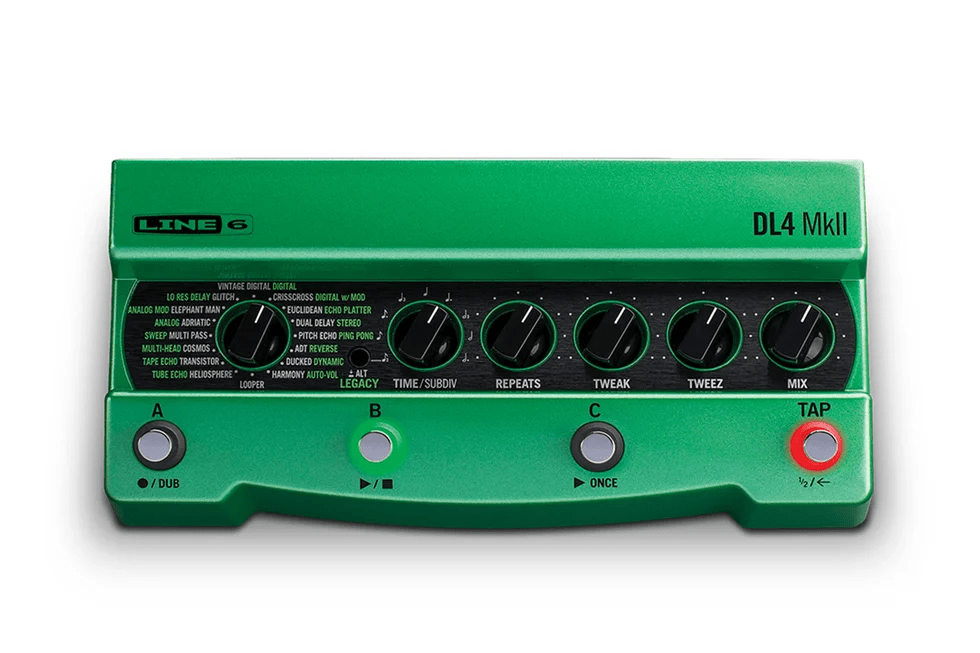
Looping is an essential way to build your composition skills in the studio and on-stage. It’s easy to overlook dedicated looper pedals in favor the modern DAW, but there’s some big advantages to going the hardware route and embracing the simplicity and speed of looping versus the endless layering of DAWs. Modern DAWs can be distracting with “too many good choices” – too many plugins to choose from and unlimited tracks. Whereas loopers will typically have about four channels and beyond that it’ll turn into a mess without any sonic bandwidth left. Dedicated hardware controls keep things simple, and it’s nice to take a break from the screen. A hardware looper also frees up your hands from the keyboard and mouse so they can focus on playing the instruments. Even a simple long delay like on a Reface CP keyboard can be used as a looper. Many artists like Fred Again and Marc Scibilia use a hybrid of Ableton looping and hardware to achieve their live looping results.
Have a strategy
Without having a clear strategy in your looping approach, it’ll quickly turn into a sonic mess. But start using a recipe and great ideas will come together quickly. After enough practice the pieces of the puzzle will snap together and you’ll be able to quickly get spontaneous, inspired results. What inputs will you use? Guitar, vocal, synths, samples? How many bars do you need overall? too short and there’s not enough room for a progression, too long and it won’t be hooky enough and too meandering. Think about each layer and the different bar lengths they need – a shaker doesn’t need as many bars as a vocal verse. Changing the loop length with drastically change the results. Use these building blocks to achieve more consistent results.
Here’s a sample recipe:
- Start with the foundation first – create a rhythmic guide that will be the anchor. Use a strummed or plucked muted rhythm guitar, synth arpeggios, or a basic drum loop. This is building the stage itself for everything else to rest on. Set the tempo and the groove. Count in before you hit the record button and try using a click. It’s crucial to cleanly hit the in and out points of the loop, or it will wreck the results and a surprising amount of loopers have no undo or separate channels.
- Add some atmosphere the “light the stage.” – layer a drone, a polyrhythm, some vocal shouts, or some small moody layer that sits way in the back
- Create a compelling chord progression. Think about chord cadences – to create more tension, move the 1 chord away from the first beat.
- Create a lead: weave between the chord voicings
- Add a bass line: go for regular root notes and modulate things a bit or add some slide
- Add in percussion fills and shakers: to grease things along
- Add additional accents – performative moves like slides or vibratos
- Lay down the lead vocal: craft a great hooky vocal. Some loopers even allow song sections
- Layer harmonies: add thirds, fifths, whatever
Cover the octaves:
Are you using all the available bandwidth? what octaves are missing and what instruments could fill them best?
Collision of sound:
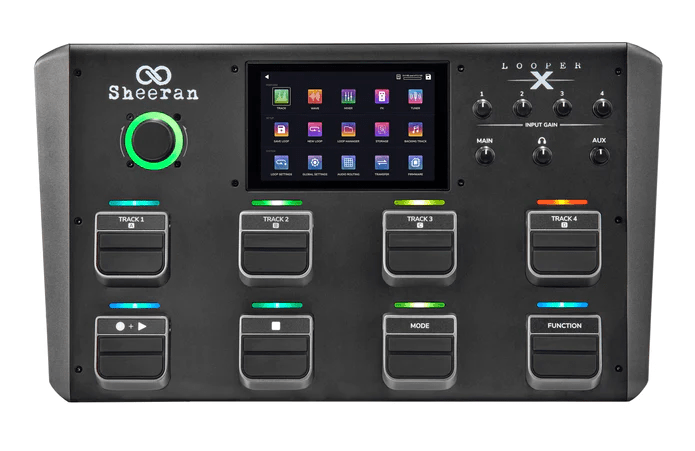
Experiment and change the sequence of these steps and see what works. The magic happens when layers collide in unexpected ways, where there’s just enough space and you haven’t filled everything up.Since most loopers are additive and it’s hard to subtract layers, you’ll need to be deliberately sparse in your compositions to get good results before it turns into mush. It’s harder to “punch holes” in the layers to open up space. But more modern loopers like Sheeran’s allow much more flexibility. As you’re composing on the fly – think about tension and release. The loop should be addictive and pull you back around with each listen. Create some tension near the end of the loop to achieve a satisfying loop.
Beyond songs:
Beyond the typical use of looping to build a song, you can use it to create just a layered “wall of sound” atmosphere or textures to resample in your DAW later, or just trial and error to find the right elements.
Loop Masters:
Watch these videos of some of the most famous loopers for some inspiration and recipes of their own: Fred Again, Ed Sheeran, Andrew Bird, Marc Rebillet, and Marc Scibillia show how it’s done.
